Body Contouring for the Abdomen: What to Expect

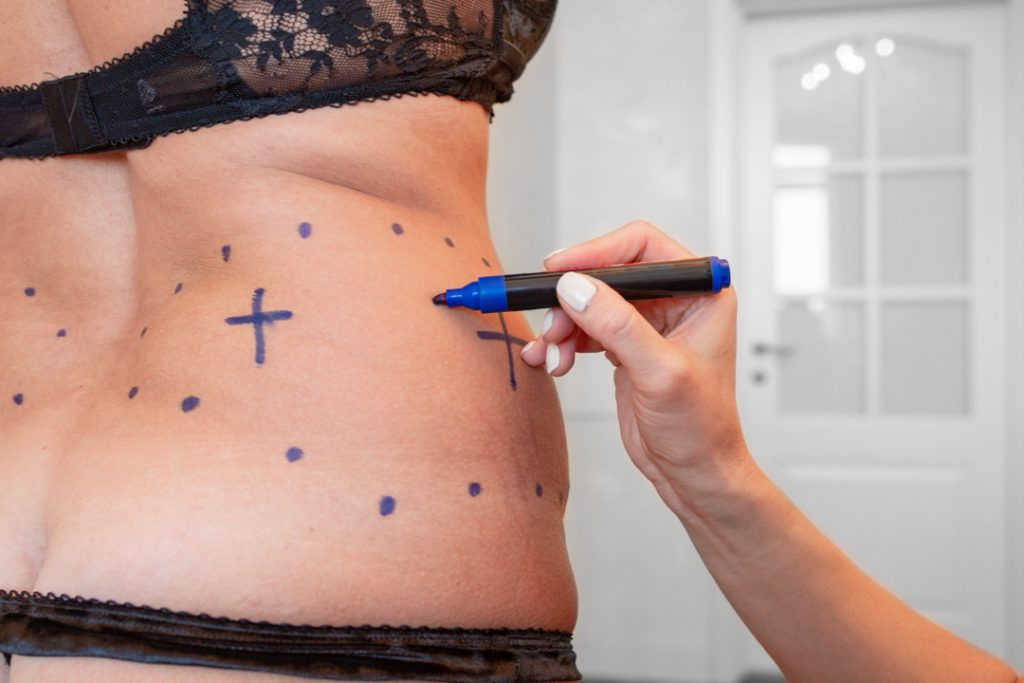
The abdomen is the area people ask about most often when they start looking into Body Contouring. That is not surprising. Weight changes, pregnancy, aging, genetics, and past surgery all tend to show up in the midsection first. Even people who are otherwise lean can struggle with a lower belly pouch, loose skin above the navel, or a waistline that no longer matches the rest of the body.
What many patients discover, sometimes after years of effort, is that not every abdominal concern responds to the same solution. A firm, localized pocket of fat is different from stretched skin. Mild skin laxity after weight loss is different from abdominal muscle separation after pregnancy. A treatment that works well for one person can disappoint another if the underlying issue has been misread.
That is why the most useful question is not, “What is the best abdominal contouring procedure?” It is, “What exactly is causing the shape I see in my abdomen, and which approach matches that problem?” Once that is clear, expectations become far more realistic, and satisfaction tends to follow.
What “abdominal contouring” really covers
When people say abdominal contouring, they often mean very different things. Some are thinking about liposuction. Others are thinking about a tummy tuck. Still others are interested in non-surgical treatments that promise fat reduction, skin tightening, or both.
All of those can fall under the broader umbrella of Body Contouring, but they do not do the same job.
If the main issue is excess fat under the skin, reducing that fat may improve the silhouette. If the issue is loose or crepey skin, removing or tightening skin becomes more relevant. If the abdominal wall has weakened or separated, especially after pregnancy, no amount of external skin treatment is going to fully restore the contour without addressing the deeper support layer.
In practice, the abdomen usually involves one of three components, sometimes all at once: fat, skin, and muscle support. The art lies in recognizing which of those is driving the concern. A patient can have a flat upper abdomen and a small roll below the belly button because of fat distribution. Another can have very little fat but still look “rounded” because the abdominal wall is lax. Someone after major weight loss may have hanging skin that folds over clothing even when body fat is relatively low. Each of these calls for a different plan.
The first consultation tends to be more revealing than people expect
A good consultation is less about selling a procedure and more about diagnosis. Patients often walk in focused on one feature, the lower belly, the “pooch,” the muffin top, the skin after two C-sections. During the exam, the discussion usually broadens. The surgeon or qualified provider is assessing skin elasticity, fat thickness, scar placement, belly button position, stretch marks, and the degree of abdominal wall laxity.
This is also where lifestyle and timing matter. Someone planning another pregnancy will usually be counseled differently from someone done having children. Someone who recently lost 80 pounds may need weight stability before surgery makes sense. Someone hoping for a dramatic result while still early in a weight loss journey may be advised to wait.
One point worth stressing is that photos can mislead. Lighting, posture, camera angle, and clothing all distort the appearance of the abdomen. In person, it becomes easier to tell whether fullness is superficial fat, deep internal fat, bloating, skin excess, or structural weakness. That distinction matters because only some of those issues are treatable with contouring procedures.
Deep internal fat, often called visceral fat, is a good example. It sits beneath the abdominal muscles and pushes the abdominal wall outward from the inside. Liposuction does not remove it. Skin excision does not remove it. If a patient has a firm, rounded abdomen driven largely by visceral fat, the visible improvement from Body Contouring may be limited compared with someone whose fullness comes mostly from pinchable fat under the skin.
Who tends to be a good candidate
The best candidates are not necessarily the thinnest people. They are the people whose concern is well defined, whose weight is relatively stable, and whose expectations match what the treatment can actually do.
In broad terms, candidacy improves when someone is near a sustainable weight, in reasonably good health, and not smoking or willing to stop well in advance of treatment. Nicotine is a recurring problem in abdominal procedures because skin healing depends on reliable blood supply. Smoking, vaping nicotine, and even some nicotine replacement products can increase the risk of wound healing problems, poor scarring, and skin compromise, particularly with larger operations like abdominoplasty.
The emotional side matters too. Patients who do best usually want improvement, not perfection. The abdomen is central, mobile, and visible in nearly every outfit. People can become intensely focused on small asymmetries or texture changes that no procedure can erase completely. A thoughtful surgeon will usually address that upfront.
Non-surgical options and where they fit
There is a strong market for non-surgical abdominal contouring, and some of it has a legitimate role. These treatments generally target one of two goals: reducing small amounts of subcutaneous fat or modestly improving skin laxity. They may use cooling, heat, radiofrequency, ultrasound, or injectable agents depending on the technology and indication.
For the right patient, non-surgical treatment can be reasonable. Think of the person who is already fairly fit, has a small localized pocket of abdominal fat, and is not interested in surgery or downtime. Or the person with mild early skin looseness who wants a subtle improvement rather than a dramatic change.
What these treatments usually cannot do is remove significant loose skin, repair separated abdominal muscles, or create the transformation people often associate with a tummy tuck. This mismatch between marketing and anatomy is where disappointment starts.
A common scenario in practice is the patient who has had multiple rounds of non-surgical treatments after pregnancy or major weight loss and still feels frustrated. Often the issue was never just fat. It was skin redundancy, muscle laxity, or both. At that point, additional non-surgical sessions may add cost without changing the outcome meaningfully.
That does not make non-surgical approaches “bad.” It simply means they work best at the mild end of the spectrum. The improvement is often measured, not dramatic, and usually gradual.
Liposuction for the abdomen
Liposuction remains one of the most useful tools for abdominal Body Contouring when the issue is excess subcutaneous fat and the skin has enough elasticity to retract reasonably well. It can refine the upper abdomen, lower abdomen, and flanks, often improving waist definition at the same time.
Patients sometimes think of liposuction as a weight loss procedure, but that is not how it works best. It is a shaping procedure. The most satisfying results tend to come from targeted fat removal in patients whose weight is already fairly stable.
Recovery after liposuction varies with the extent of treatment, but swelling, bruising, soreness, and temporary firmness are all common. The abdomen may look uneven or more swollen before it looks better. This is normal and often frustrating because people expect to see the final contour quickly. In reality, visible improvement comes in stages. Early reduction in fullness may appear within weeks, but residual swelling can linger for several months.
One subtle point patients appreciate hearing in advance is that liposuction can improve contour without making the skin look tighter in every case. If the skin is already loose, especially below the belly button, removing the fat underneath may reveal that looseness more clearly. In some patients, that is still a worthwhile trade-off. In others, it is the reason liposuction alone is not the right plan.
When a tummy tuck enters the conversation
A tummy tuck, or abdominoplasty, is usually the procedure that offers the most dramatic abdominal https://telegra.ph/Body-Contouring-for-Special-Events-When-to-Start-Planning-08-20 reshaping when there is significant loose skin, stretched abdominal fascia, or both. It is not simply “liposuction plus skin removal,” though liposuction is often combined with it. The operation can remove excess skin and tighten the supportive layer of the abdominal wall, which can create a flatter, smoother contour.
This is especially relevant after pregnancy and major weight loss. A patient may describe feeling as though the abdomen looks “empty and loose” or “still pregnant” despite exercise and healthy habits. Often there is diastasis recti, a separation of the abdominal muscles' connective support that makes the midsection protrude. Core exercise can help function and strength, but there are limits to how much exercise can physically narrow a separated abdominal wall once the tissue has been significantly stretched.
A standard tummy tuck also places a scar low on the abdomen and reshapes the belly button area. That means the trade-off is obvious: a more substantial improvement in contour in exchange for a longer scar and a more involved recovery.
Patients are often relieved when this is discussed plainly. Many come in hoping they can avoid a larger procedure. Some can. Some cannot, at least not if they want a meaningful correction of skin and muscle laxity. Clear language prevents the cycle of under-treatment, disappointment, and revision.
What recovery is actually like
This is where expectations matter just as much as procedure choice. Recovery after abdominal contouring is rarely just about pain. It is more about swelling, tightness, fatigue, limited mobility, and patience.
After non-surgical treatment, downtime may be minimal. There can still be tenderness, numbness, temporary fullness, or delayed visible change. Patients expecting an instant “after” can feel underwhelmed early on.
After liposuction, many people return to desk work within a few days to a week, depending on extent and comfort, but they are not back to normal immediately. Compression garments are often used. The abdomen can feel oddly stiff or numb. Bruising usually improves before swelling fully settles. Exercise is resumed gradually, not all at once.
A tummy tuck recovery is more demanding. People usually need help at home for at least the first several days, sometimes longer if they have young children. Standing fully upright may be uncomfortable at first because the repaired tissues feel tight. Sleeping position, drains when used, garment use, lifting restrictions, and follow-up visits all become part of the routine. Even highly motivated patients are often surprised by how tired they feel in the first week or two.
One of the better ways to think about abdominal surgery recovery is to divide it mentally into phases. The first phase is getting through the immediate healing period safely and comfortably. The second is regaining normal movement and stamina. The third is waiting for swelling to resolve enough that the body shape starts to look like the result you were hoping for. That third phase takes longer than most people think.
A realistic timeline helps prevent unnecessary worry
People often judge their result far too early. The abdomen is a poor place for impatience because it swells easily and changes slowly.
Here is a practical way to frame the timeline:
- The first two weeks are about healing, mobility, and basic comfort.
- The first six weeks often bring visible change, but swelling remains significant.
- Around three months, the contour is usually much more reliable, though not final.
- Between six months and a year, scars soften and subtle swelling continues to improve.
That timeline is not identical for everyone, but it reflects what many patients experience. The person comparing their week-three abdomen to someone else’s year-one photo is usually setting themselves up for unnecessary anxiety.
Scars, numbness, and the details people do not always ask about
A polished consultation should cover the less glamorous parts of abdominal contouring, not just the flattering before-and-after photos.
Scars are part of the bargain whenever skin is surgically removed. A low tummy tuck scar is usually designed to sit under underwear or swimwear, but scar position still depends on anatomy, procedure extent, and how the body heals. Early scars often look pink, firm, or slightly raised before they mature. Some fade beautifully. Some remain more visible despite meticulous technique and good aftercare.
Numbness is another frequent surprise. Temporary decreased sensation in parts of the lower abdomen is common after surgery, and some degree of altered sensation can last months or longer. Most patients tolerate this well once they understand it is part of the process, but it should never come as a surprise after the fact.
Swelling also behaves differently than people expect. It may be worse at the end of the day. It may fluctuate with activity, menstrual cycle, heat, travel, and diet. Clothing fit can improve before the mirror result feels “finished.” This is one reason surgeons often advise against obsessively measuring the abdomen in the early months.
Risks and trade-offs deserve plain language
Every abdominal contouring treatment has limitations and risks. Non-surgical treatments can underperform, produce temporary irregularity, or require multiple sessions for modest change. Liposuction can leave contour unevenness, prolonged swelling, or residual skin laxity. A tummy tuck carries more significant considerations, including healing issues, fluid collections, infection, bleeding, clot risk, and scar concerns.
The important thing is not to fear these risks blindly or minimize them. It is to weigh them against the likely benefit in your specific anatomy.
In my experience, the patients who feel best about their decision are usually the ones who understood the compromise in advance. They knew a tummy tuck would leave a scar, but they were more bothered by overhanging skin than by the idea of a low hidden incision. They accepted that liposuction would not fix loose skin, but they wanted a slimmer waist and were comfortable with a more modest change. They chose a non-surgical option knowing the improvement would be incremental, not dramatic.
That kind of alignment matters more than the trendiest device or the most aggressive promise.
How to prepare well if you move forward
Preparation shapes recovery more than many people realize. The most common problems after abdominal contouring are not dramatic surgical complications. They are practical issues: doing too much too soon, returning to work too quickly, not arranging enough help, misunderstanding restrictions, or expecting immediate cosmetic perfection.
A few basics make a measurable difference:
- Reach a stable weight before treatment rather than treating the procedure like the start of a weight loss plan.
- Stop nicotine well in advance if your surgeon requires it, and be honest about any use.
- Prepare your recovery space, clothing, meals, medications, and help at home before the procedure.
- Ask specifically about scar placement, drains, compression, activity limits, and when you can resume exercise.
- Look at before-and-after photos of patients with anatomy similar to yours, not just the best results in the gallery.
The last point is especially useful. A 28-year-old patient with mild skin laxity after one pregnancy is not the right comparison for a 52-year-old after major weight loss. Matching expectations to anatomy is one of the smartest things a patient can do.
Choosing the right provider
Abdominal contouring is not a commodity service, even when it is marketed that way. Technique matters, but judgment matters just as much. A qualified provider should be able to tell you not only what can be done, but what should not be promised.
Look for someone who evaluates the whole torso rather than the abdomen in isolation. Waist shape, flank fullness, pubic area contour, prior scars, and skin quality all affect the final look. A flat front with untreated flanks can still look unfinished. Conversely, an overly aggressive approach in the wrong patient can produce unnatural transitions or healing problems.
You should leave a consultation understanding three things clearly: what problem is being treated, what trade-offs come with the proposed treatment, and what result is realistically possible in your body. If any of those remain vague, it is worth asking more questions or seeking another opinion.
What a good result usually feels like
Patients often describe successful abdominal Body Contouring in ways that are more practical than dramatic. Clothes fit without constant adjusting. The lower abdomen no longer bunches over jeans. The waist looks more proportional. The body feels more like it matches the effort they have already put into health, exercise, or post-pregnancy recovery.
That is worth emphasizing because social media has trained people to look for dramatic transformation images under ideal lighting. Real satisfaction often shows up in quieter ways. A patient who no longer avoids fitted tops. A parent who feels comfortable on the beach again after years of covering the midsection. A person after weight loss who can finally see the outline they worked for because the excess skin is gone.
The best outcomes are not just smaller measurements. They are a better match between anatomy, expectation, and treatment choice.
For the abdomen, that match is everything. If the issue is fat, target fat. If the issue is loose skin, be honest about skin. If the issue is muscle laxity after pregnancy or weight change, do not expect external treatments to fix an internal problem. Once those distinctions are made clearly, the path forward becomes much easier to judge, and the result is far more likely to feel worth it.
Aesthetic Plastic Surgery & Laser Center, Michelle Hardaway M.D.
Address: 27920 Orchard Lake Rd, Farmington Hills, MI 48334
Phone number: +12482211957
FAQ About Body Contouring in Michigan
What does body contouring actually do?
Body contouring (or body sculpting) eliminates stubborn localized fat, tightens loose, sagging skin, and reshapes your silhouette. It is not a weight-loss tool, but rather a cosmetic procedure used to refine and tone specific trouble spots after major weight loss, pregnancy, or aging.
How much does body contouring usually cost?
The total cost of body contouring usually ranges from $2,000 to $25,000+ depending entirely on whether you choose non-surgical sessions or major surgical procedures.
Because "body contouring" covers everything from simple fat-freezing to comprehensive post-weight-loss surgeries, pricing is heavily categorized by the method used.
What is the best type of body contouring?
Liposuction is a huge topic and worth discussing in more detail, but in terms of body contouring and sculpting, nothing does the job better than liposuction, particularly VASER liposuction.